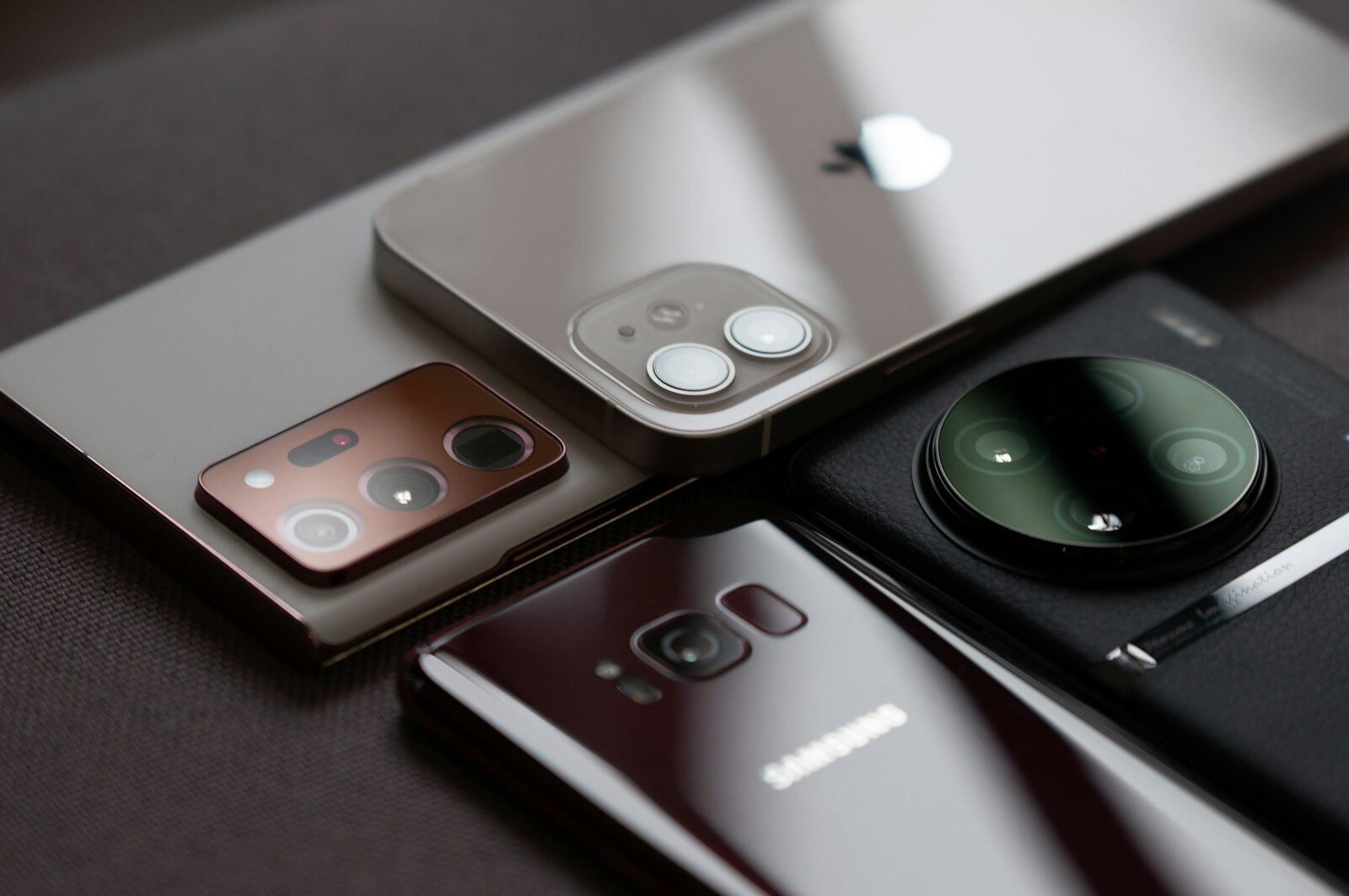
Smartphones have become an essential part of modern life. From making calls and sending messages to watching videos, taking photographs, playing games, attending online classes, and managing business activities, smartphones are used for countless daily tasks. As technology continues to improve, smartphone manufacturers introduce new devices with better cameras, faster processors, brighter displays, longer battery life, and smarter software.
With so many options available, choosing a new smartphone can be challenging. A high price does not always mean that a phone is the best choice for every person. The right smartphone depends on your personal needs, lifestyle, and budget. Understanding the most important smartphone features can help you make a more informed purchasing decision.
1. Powerful and Efficient Processor
The processor is one of the most important components of a smartphone. It controls how quickly the device performs different tasks and affects the overall user experience.
A powerful processor allows applications to open quickly, games to run smoothly, and multiple tasks to be handled without major slowdowns. High-performance processors are especially useful for gamers, content creators, and users who regularly edit photos or videos.
However, not everyone needs a flagship processor. People who mainly use messaging applications, social media, web browsing, and video streaming can often get excellent performance from a mid-range smartphone.
When comparing phones, consider both performance and efficiency. An efficient processor can provide good performance while using less battery power.
2. High-Quality Display
The display is another feature that deserves attention. Since users interact with the screen constantly, a good display can make everyday smartphone use more enjoyable.
Modern smartphones are available with different screen technologies. OLED and AMOLED displays are popular because they can produce vibrant colors, strong contrast, and deep blacks.
Refresh rate is also important. A higher refresh rate can make scrolling and animations feel smoother. This can be especially useful for gaming and multimedia.
Screen size should be based on personal preference. Larger screens are useful for watching videos and reading, while smaller displays can make phones easier to hold and carry.
3. Advanced Camera System
Smartphone photography has improved significantly. Many phones now provide multiple cameras that can capture high-quality photos and videos.
A main camera is designed for everyday photography, while an ultra-wide camera can capture larger scenes. Some smartphones also include telephoto lenses for photographing distant objects.
However, camera quality is not determined by megapixels alone. Sensor size, lens quality, image stabilization, software processing, and lighting performance are all important.
If you enjoy photography, look for a smartphone that performs well in different situations. Low-light performance is particularly important because some phones produce noticeably better night photographs than others.
4. Long-Lasting Battery
Battery life is one of the most practical smartphone features. Nobody wants a phone that constantly needs to be charged.
Battery capacity is commonly measured in milliamp-hours, but capacity is not the only factor affecting battery life. Screen brightness, processor efficiency, software optimization, mobile network usage, and application activity can all influence how long a phone lasts.
Fast charging can also be extremely useful. Instead of waiting for hours, users can quickly recharge their phones before leaving home or during a short break.
Some smartphones also support wireless charging, which provides additional convenience for people who prefer a cable-free charging experience.
5. Sufficient Storage
Storage is essential for saving applications, photographs, videos, games, documents, and other files.
A smartphone with limited storage can become frustrating if you frequently receive notifications that your storage is almost full. Users who take many photographs, record videos, or download large games should consider choosing a higher storage option.
Before purchasing a phone, check how much storage you currently use. This can give you a better idea of how much capacity you will need in the future.
6. Reliable Software Updates
Hardware specifications are important, but software can have an equally significant impact on the smartphone experience.
Regular software updates can improve security, introduce new features, fix bugs, and improve device stability. Therefore, buyers should consider how long a manufacturer is expected to provide software and security updates.
A smartphone that receives long-term support can remain useful for several years and may offer better value than a device that receives limited updates.
7. Strong Security
Smartphones contain private information such as photographs, messages, contacts, passwords, documents, and financial information. Strong security features are therefore essential.
Modern smartphones may include fingerprint scanners, facial recognition, secure passwords, encryption, and other security technologies.
Users should also avoid installing applications from unreliable sources. Keeping the operating system updated and using a secure screen lock can further improve device security.
8. 5G and Modern Connectivity
Connectivity has become increasingly important as people rely on smartphones for streaming, online gaming, video calls, navigation, and other internet-based activities.
Many current smartphones support 5G networks, which can provide faster mobile data speeds in areas where compatible network services are available.
Other connectivity features such as Wi-Fi, Bluetooth, GPS, and NFC are also useful. Bluetooth allows users to connect wireless headphones, speakers, watches, and other accessories. GPS supports navigation and location-based applications, while NFC can enable convenient device connections and contactless payment functions where supported.
9. Build Quality and Durability
A smartphone is an investment, so durability should not be overlooked. A strong design can help a device survive everyday use and accidental impacts.
Some smartphones offer water and dust resistance, which can provide additional protection. The materials used for the frame and back panel can also influence durability and how the phone feels in the hand.
Regardless of the phone you choose, a protective case and screen protector can help reduce the risk of damage.
10. Audio and Multimedia Experience
For people who frequently watch videos, listen to music, or play games, audio quality can make a significant difference.
Stereo speakers can provide a better multimedia experience than a single speaker. Some smartphones also offer advanced audio technologies for improved clarity.
Users who rely on wireless headphones should check Bluetooth compatibility and audio support before purchasing a phone.
Choosing a Smartphone According to Your Lifestyle
Different people need different smartphone features. A student may prioritize affordability, battery life, and storage. A professional may need strong performance, reliable connectivity, and productivity features.
Gamers may focus on processors, graphics performance, refresh rate, cooling, and battery life. Photography enthusiasts may prioritize camera sensors, lenses, stabilization, and image processing.
Understanding your main activities is the best way to avoid paying for features you do not need.
Smartphone Price and Value
Price is an important consideration, but buyers should focus on overall value rather than simply choosing the cheapest or most expensive phone.
Budget smartphones can be excellent for basic everyday activities. Mid-range phones often provide a strong balance between price and performance. Premium smartphones usually offer advanced hardware, premium designs, sophisticated cameras, and additional features.
Before buying, compare several models in the same price range. This can help you identify which device provides the best combination of features for your money.
Conclusion
Choosing a new smartphone requires careful consideration of several features. Processor performance, display quality, camera capabilities, battery life, storage, software support, security, connectivity, durability, and price can all influence the overall experience.
The best smartphone is not necessarily the phone with the highest specifications. Instead, it is the device that fits your personal needs and budget while providing reliable performance.
By understanding your priorities and comparing different models carefully, you can choose a smartphone that offers excellent value and remains useful for years. As mobile technology continues to develop, smartphones will become even more powerful, intelligent, and versatile, making them an increasingly important part of everyday life.
