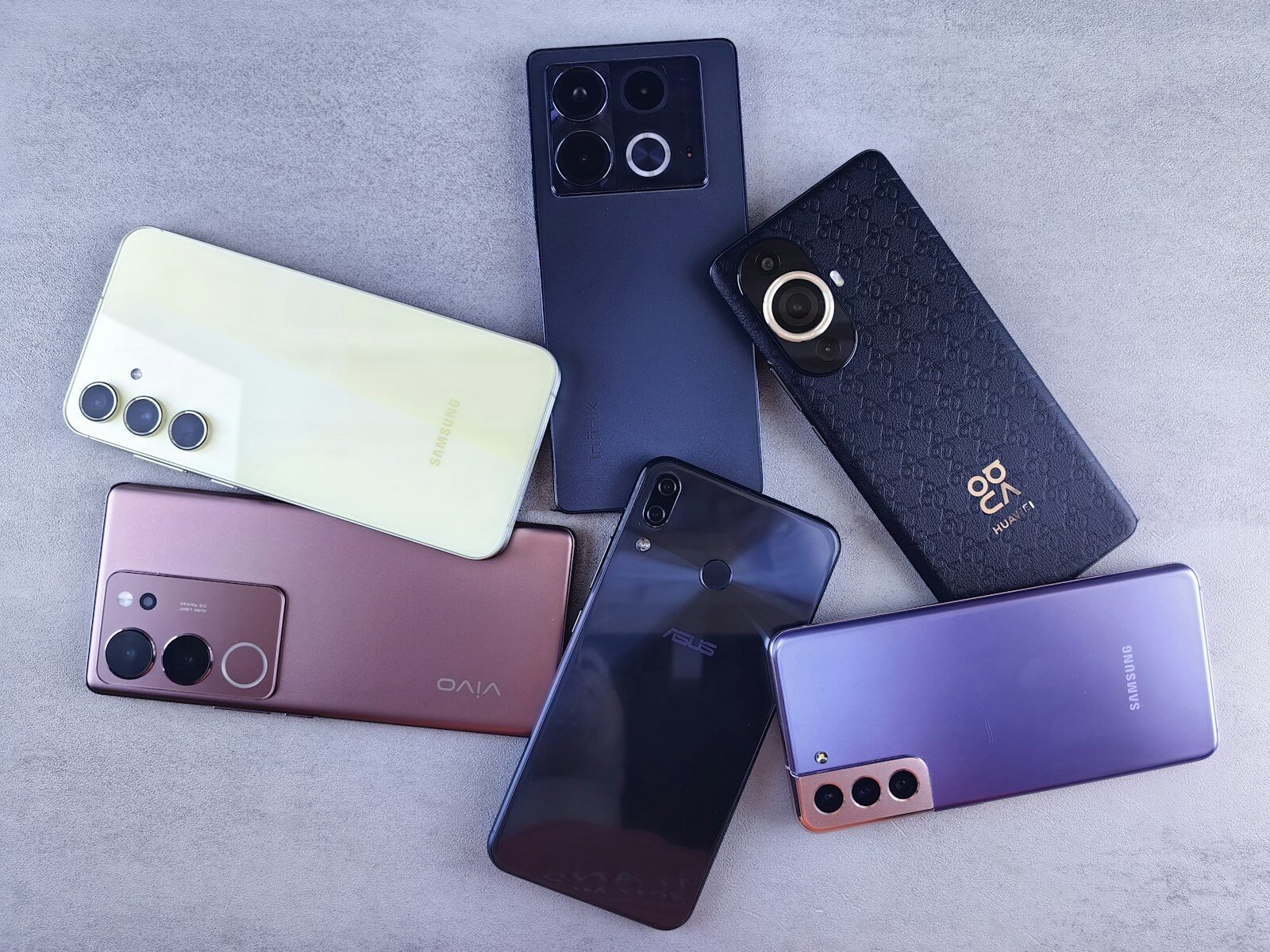
Smartphones have become one of the most important technologies in everyday life. People use them for communication, education, entertainment, photography, online shopping, banking, navigation, business, and much more. Because smartphones now offer so many features, choosing the right device can be difficult. Different models are designed for different types of users, and understanding the most important features can help you make a better decision.
Whether you are looking for an affordable smartphone, a powerful gaming phone, a camera-focused device, or a premium flagship, there are several factors you should consider before making a purchase.
Why Smartphones Are So Important
A smartphone is much more than a communication device. It combines many useful tools into one compact product. Instead of carrying a camera, calculator, music player, GPS device, notebook, and computer separately, users can access many of these functions through their smartphone.
For students, smartphones can provide access to online courses, educational applications, digital books, and research tools. For professionals, they can be used to manage emails, attend meetings, communicate with customers, and organize work. For entertainment, smartphones provide access to games, movies, music, social media, and streaming platforms.
This versatility is one of the main reasons smartphones have become such an important part of modern life.
Performance and Processing Power
One of the first things to consider when purchasing a smartphone is performance. The processor affects how quickly the device handles applications, games, multitasking, and other demanding activities.
High-end smartphones usually include powerful processors designed for intensive workloads. They can handle demanding games, video editing, artificial intelligence features, and multiple applications at the same time.
Mid-range smartphones can also provide excellent performance for everyday tasks. If you mainly browse the internet, use social media, send messages, watch videos, and make calls, you may not need the most powerful processor available.
It is important to choose performance based on your actual usage instead of paying extra for specifications you may never use.
RAM and Multitasking
RAM allows a smartphone to manage multiple applications efficiently. When you switch between applications, sufficient RAM can help keep them available in the background.
Users who frequently multitask may benefit from more RAM. Gamers and people who use demanding applications should also consider RAM when selecting a phone.
However, RAM is only one part of performance. Processor efficiency, software optimization, and storage technology also influence how quickly a smartphone feels during everyday use.
Display Quality
The display is one of the most noticeable parts of a smartphone because users look at it every time they use the device.
Modern smartphones offer different display technologies, including LCD, OLED, and AMOLED panels. OLED-based screens are popular because they can deliver strong contrast, vibrant colors, and deep blacks.
Refresh rate is another feature to consider. A higher refresh rate can make scrolling, animations, and compatible games appear smoother.
Screen size is also important. A large display can be useful for watching videos, reading documents, and playing games. Smaller phones may be easier to carry and operate with one hand.
Camera Technology
Smartphone cameras have improved considerably. Many phones can now capture high-quality photographs and videos without requiring a separate camera for everyday photography.
When comparing smartphone cameras, do not focus only on megapixels. Sensor quality, lens design, image stabilization, image processing, and software features can have a major impact on results.
Some smartphones include ultra-wide cameras for landscapes and group photographs. Others offer telephoto cameras for distant subjects. Advanced models may also include specialized photography and video features.
If photography is important to you, look for a phone that performs well in different lighting conditions rather than simply choosing the model with the largest camera specifications.
Battery Life
Battery life is essential because smartphones are used throughout the day. A phone with good battery performance can reduce the need to carry a charger or power bank.
Battery capacity is usually measured in milliamp-hours, but capacity alone does not determine how long a phone will last. Processor efficiency, screen technology, software optimization, network usage, and user habits also affect battery life.
Fast charging can be particularly useful for busy users. It allows the phone to recover a significant amount of battery power in a relatively short period.
Storage Options
Storage determines how much data can be saved on your smartphone. Applications, photographs, videos, games, documents, and downloaded media can quickly consume available space.
If you frequently take photographs or record videos, choosing a higher storage capacity can be beneficial. Gamers should also consider storage because modern mobile games can require a large amount of space.
Before buying a smartphone, think about how much storage your current phone uses. This can help you select a suitable capacity for your next device.
Operating System and Software
The operating system controls the overall smartphone experience. A good operating system should be easy to navigate, reliable, secure, and regularly updated.
Software updates can introduce new features, improve performance, and fix security vulnerabilities. Therefore, long-term software support is an important consideration when choosing a smartphone.
Users should also consider the interface and features offered by the manufacturer. Some smartphone brands provide simple interfaces, while others add many customization and productivity features.
Security Features
Smartphones contain a large amount of personal information, making security extremely important.
Many modern devices provide fingerprint recognition, facial recognition, secure passwords, encryption, and other protection features. Users should always use a strong screen lock and keep their software updated.
It is also important to be careful when installing applications. Downloading apps from trusted sources and reviewing application permissions can help protect personal information.
Connectivity Features
Modern smartphones support a variety of connectivity technologies. These can include mobile networks, Wi-Fi, Bluetooth, GPS, and NFC.
5G connectivity can provide faster mobile data speeds where supported by local networks and compatible plans. Bluetooth is useful for wireless headphones, speakers, watches, and other accessories.
NFC can support convenient features such as contactless payments and quick device connections.
When purchasing a smartphone, make sure it supports the connectivity features that you regularly use.
Smartphone Durability
Durability is another factor worth considering. Smartphones can be expensive, so a strong build can help protect your investment.
Some devices offer water and dust resistance, while others use reinforced glass or durable frames. Even with these protections, a quality case and screen protector can provide additional protection against accidental drops and scratches.
Users who spend a lot of time outdoors may want to pay particular attention to durability.
How to Choose a Smartphone on a Budget
You do not always need an expensive smartphone to get a good user experience. Budget and mid-range phones can offer strong performance, good cameras, long battery life, and attractive displays.
The key is to identify your priorities. If you mainly use social media and messaging, you may not need a premium processor. If photography is your priority, spending more on camera quality may make sense.
Comparing several models before buying can help you find the best combination of features and price.
Future of Smartphones
The smartphone industry continues to evolve rapidly. Artificial intelligence is becoming more deeply integrated into mobile devices, helping with photography, translation, voice features, productivity, and personalized experiences.
Future smartphones may become even more powerful and efficient. Improvements in battery technology, displays, cameras, processors, and connectivity could make mobile devices increasingly useful for both personal and professional activities.
Foldable smartphones and other new form factors are also creating additional possibilities for larger displays and improved multitasking while maintaining portable designs.
Conclusion
Smartphones have become powerful devices that combine communication, entertainment, productivity, photography, and many other functions. Choosing the right smartphone requires more than looking at its price or appearance.
Performance, RAM, display quality, cameras, battery life, storage, software support, security, connectivity, and durability should all be considered before making a purchase.
The best smartphone is not necessarily the most expensive model. It is the device that provides the features you need, performs reliably, and fits comfortably within your budget. By comparing smartphones carefully and understanding your own requirements, you can choose a device that delivers excellent value and remains useful for years.
