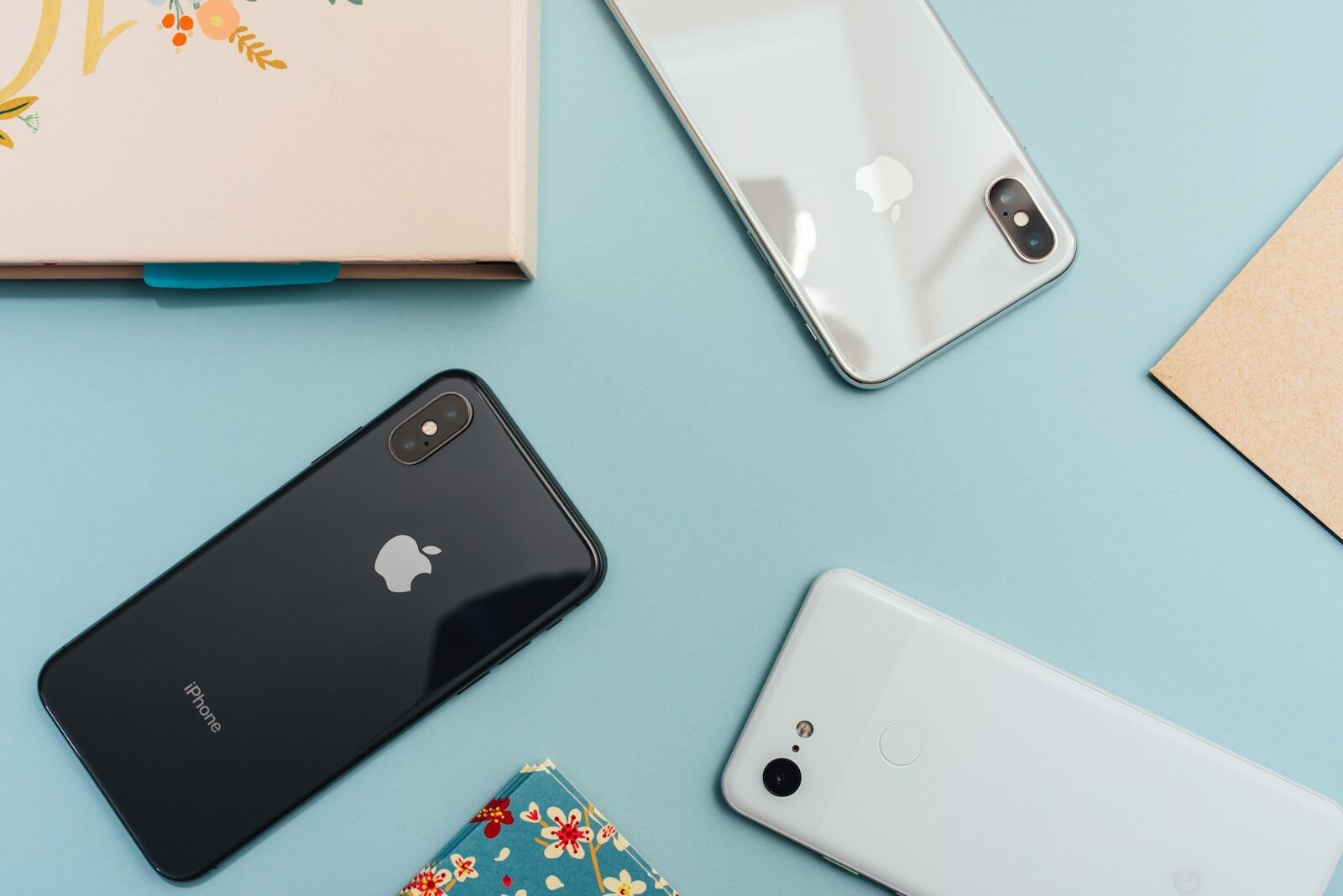
Smartphones have become an essential part of modern life. They are no longer used only for making calls and sending text messages. Today, a smartphone can work as a camera, entertainment center, navigation device, learning tool, communication platform, and even a portable office. With new models launching regularly, choosing the right smartphone can sometimes feel confusing. Different phones offer different processors, cameras, displays, batteries, and storage options, so it is important to understand what features actually matter.
This guide explores the most important smartphone features and explains what buyers should consider before purchasing a new device.
What Makes a Good Smartphone?
A good smartphone should provide a balance between performance, battery life, camera quality, display, software, storage, and price. The best smartphone is not necessarily the most expensive model. Instead, it is the one that meets your personal needs without making you pay for features you may never use.
For example, someone who enjoys mobile gaming may need a powerful processor and a high-refresh-rate display. A photography enthusiast may prioritize camera quality and image-processing capabilities. Meanwhile, a student may prefer a phone with long battery life, enough storage, and a reasonable price.
Smartphone Performance
Performance is one of the most important factors when buying a smartphone. The processor controls how smoothly applications, games, multitasking, and other activities run.
Modern smartphones come with increasingly powerful chipsets that can handle demanding applications. When choosing a phone, look for a processor appropriate for your usage. Basic users can usually choose a mid-range processor, while gamers and professionals may benefit from a flagship-level chipset.
RAM is also important. More RAM allows a smartphone to keep multiple applications running in the background. For everyday activities such as messaging, browsing, social media, and video streaming, a moderate amount of RAM is generally sufficient. Heavy multitasking and gaming may benefit from higher RAM configurations.
Display Quality
The display is another major smartphone feature because users interact with it constantly. Screen size, resolution, brightness, and refresh rate can all affect the viewing experience.
Many modern smartphones feature OLED or AMOLED displays that offer strong contrast, vibrant colors, and deep blacks. These screens can be particularly enjoyable for watching movies and viewing photos.
Refresh rate is also worth considering. A higher refresh rate can make scrolling and animations appear smoother. However, the ideal display depends on your needs and budget. Someone who mainly uses a phone for messaging may not need an advanced display, while gamers and multimedia enthusiasts may appreciate one.
Camera Features
Smartphone cameras have improved dramatically over the years. Many phones now include multiple cameras for different photography situations.
A main camera is typically designed for everyday photos, while ultra-wide cameras can capture larger scenes. Some smartphones also include telephoto cameras for closer views without relying entirely on digital zoom.
However, megapixel numbers alone do not determine camera quality. Image processing, sensor size, lens quality, stabilization, and software can all influence results. A smartphone with a lower megapixel count can sometimes produce better photos than a phone with a higher megapixel count.
When choosing a smartphone for photography, consider both daytime and low-light performance, video quality, stabilization, portrait modes, and camera software.
Battery Life and Charging
Battery life is essential for people who spend a lot of time away from chargers. A smartphone with a large battery can provide longer usage, but battery capacity is only one part of the equation.
Processor efficiency, display technology, software optimization, and user habits also affect battery life. Activities such as gaming, video streaming, GPS navigation, and high-brightness display settings can consume more power.
Fast charging is another useful feature. It allows users to recharge their phones quickly when they are in a hurry. Some smartphones also offer wireless charging, which provides added convenience.
Storage Capacity
Storage determines how many applications, photos, videos, games, and documents you can keep on your smartphone.
Users who mainly use messaging and social media may not need a huge amount of storage. However, people who record high-resolution videos, download large games, or store many photos should consider a higher-capacity model.
Before purchasing a phone, think about how you use your current device. If your existing phone frequently displays a storage-full warning, choosing a larger storage option may be a smart decision.
Software and Updates
Software plays a major role in the smartphone experience. A phone may have excellent hardware, but poor software can make it frustrating to use.
Look for a smartphone with a clean, stable, and user-friendly operating system. Software updates are also important because they can provide new features, security improvements, and performance enhancements.
Long-term software support can increase the value of a smartphone. If you plan to keep your phone for several years, choose a manufacturer known for providing regular updates.
Smartphone Design and Durability
Design is not only about appearance. Build quality can affect how comfortable and durable a smartphone feels.
Premium phones may use materials such as metal and glass, while affordable devices often use high-quality plastic. A protective case and screen protector can also help reduce damage from accidental drops.
Water and dust resistance can be another valuable feature. If you frequently use your phone outdoors or around water, a device with appropriate protection may provide greater peace of mind.
5G and Connectivity
Modern smartphones increasingly support advanced mobile networks such as 5G. Depending on network availability in your area, 5G can provide faster mobile data speeds and improved connectivity.
Other connectivity features to consider include Wi-Fi standards, Bluetooth, NFC, GPS, and USB connectivity. The importance of each feature depends on how you use your phone.
For example, people who frequently use wireless headphones should pay attention to Bluetooth support, while users who make contactless payments may benefit from NFC.
Choosing a Smartphone Based on Your Budget
Budget is one of the most important considerations when purchasing a smartphone. Fortunately, there are good options available across different price ranges.
Budget smartphones can provide excellent value for basic tasks such as calling, messaging, browsing, and social media. Mid-range smartphones often provide a strong combination of performance, cameras, battery life, and displays.
Flagship smartphones generally offer the latest processors, advanced cameras, premium displays, sophisticated designs, and additional features. However, their higher price does not mean they are automatically the best choice for every user.
It is better to identify your priorities first and then select a phone that offers those features within your budget.
Tips Before Buying a Smartphone
Before purchasing a new smartphone, compare several models rather than choosing the first phone you see. Check its processor, camera system, battery capacity, display, storage, software support, and connectivity.
It is also useful to read reliable reviews and consider the experiences of existing users. Pay attention to long-term performance rather than focusing only on specifications.
Avoid buying a phone simply because it has the newest design or the highest number of megapixels. Consider how the device will fit into your everyday life.
Conclusion
Smartphones have become powerful and versatile devices that can support communication, entertainment, photography, work, education, and many other activities. With so many models available, selecting the right smartphone requires careful consideration.
Performance, display quality, camera capabilities, battery life, storage, software updates, durability, connectivity, and price should all be evaluated before making a purchase. The best smartphone is ultimately the one that provides the features you actually need at a price you can comfortably afford.
By understanding these important features and comparing different models carefully, buyers can make smarter decisions and choose a smartphone that remains useful and reliable for years to come.
