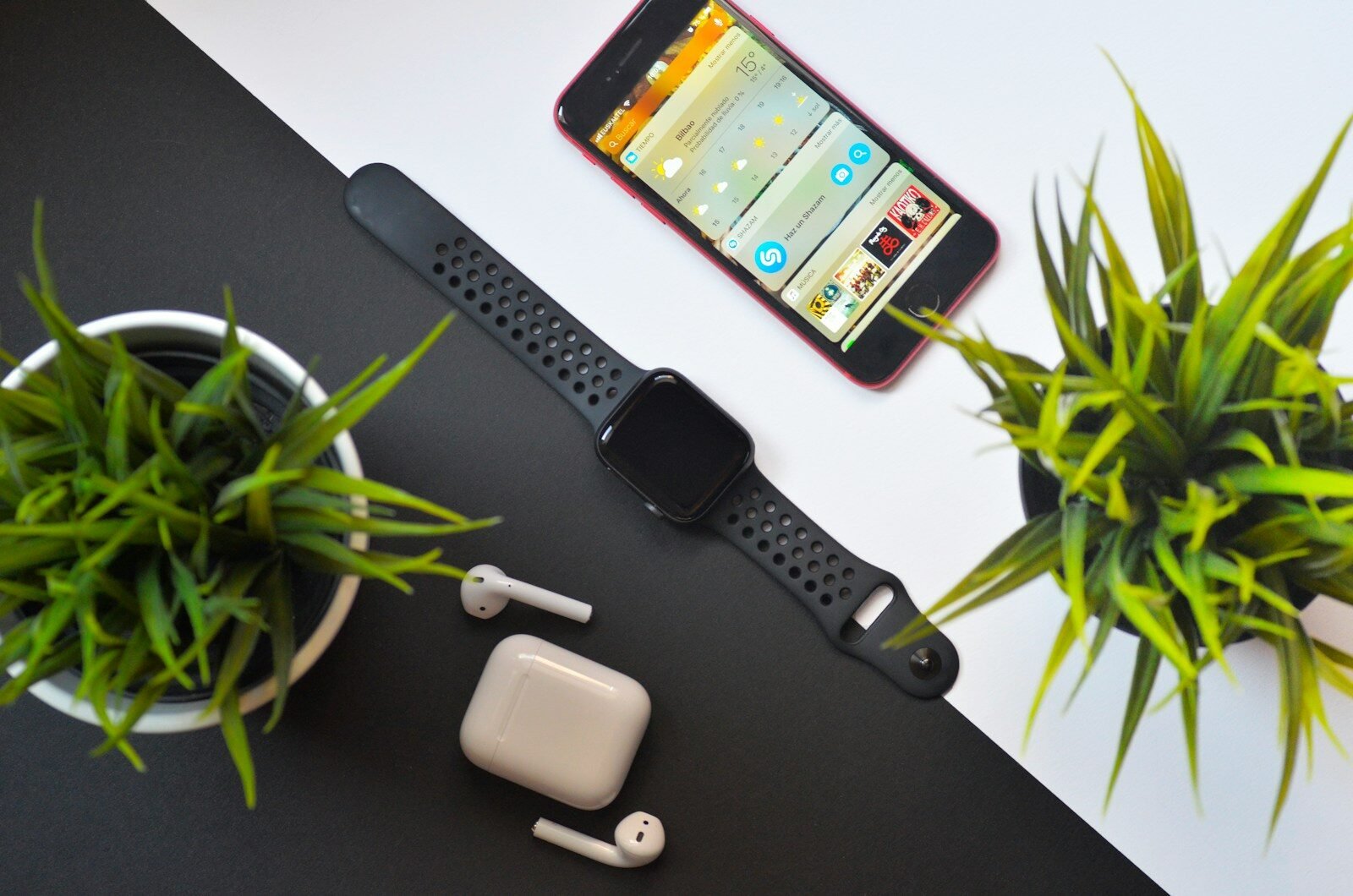
Smart gadgets have quickly become a normal part of everyday life. Technology is no longer limited to smartphones, laptops, and traditional electronics. Today, people can use connected devices to manage their homes, monitor fitness activities, improve productivity, enjoy entertainment, protect their property, and stay connected with others.
A smart gadget is generally an electronic device that uses software, sensors, wireless connectivity, or automation to perform useful functions. These devices can often communicate with smartphones, computers, and other smart products. As technology continues to develop, smart gadgets are becoming more capable, convenient, and accessible.
However, with so many products available, choosing the right smart gadget can be challenging. Consumers need to understand the features, benefits, limitations, security considerations, and overall value before making a purchase.
What Are Smart Gadgets?
Smart gadgets are connected electronic devices designed to provide more functionality than traditional products.
A regular alarm clock, for example, may simply display the time and sound an alarm. A smart device may connect to a smartphone, provide multiple alarms, offer scheduling features, and integrate with other connected products.
Smart technology can be found in watches, headphones, lights, cameras, speakers, appliances, televisions, fitness devices, and many other products.
The main advantage is connectivity. Smart gadgets can often communicate with other devices and allow users to control or monitor them through applications or other interfaces.
Smartwatches and Wearables
Smartwatches are among the most popular smart gadgets. They combine traditional timekeeping with digital features.
Depending on the model, smartwatches can display notifications, manage calls, control music, provide navigation, track workouts, and connect to smartphones.
Fitness-focused models can also provide information about physical activity and exercise. Some devices offer features for tracking sleep, movement, and other general wellness measurements.
For people who receive frequent notifications, a smartwatch can be convenient because important information can be viewed without constantly checking a phone.
Smart Earbuds
Wireless earbuds are another popular category of smart technology. They offer portability and eliminate the need for traditional audio cables.
Modern earbuds may include touch controls, microphones, noise cancellation, voice features, and automatic device connections.
When choosing smart earbuds, consumers should consider sound quality, comfort, battery life, charging speed, microphone performance, and compatibility.
A good pair of earbuds should remain comfortable during extended use while providing reliable connectivity.
Smart Speakers
Smart speakers combine audio playback with connected features.
Depending on their software and services, these devices can play music, provide information, set reminders, create timers, and control compatible smart home products.
Voice interaction is one of their biggest advantages. Users can issue commands without reaching for a smartphone or computer.
However, smart speakers can involve privacy considerations because some features rely on microphones and online services. Buyers should understand the available privacy controls before using these devices.
Smart Home Lighting
Smart lighting systems allow users to control lights using applications, schedules, sensors, or compatible voice systems.
Users can often adjust brightness, create routines, and turn lights on or off remotely.
For example, a homeowner can create a schedule that automatically turns lights on in the evening and switches them off later at night.
Smart lighting can provide convenience and automation, especially when combined with other connected home devices.
Smart Security Cameras
Smart cameras provide users with connected monitoring capabilities.
Depending on the product, features may include motion detection, notifications, night vision, remote viewing, two-way communication, and different storage options.
These devices can be useful for monitoring entrances, rooms, offices, or outdoor areas.
Because cameras can collect sensitive visual information, security is extremely important. Users should create strong account passwords, enable additional authentication when available, update device software, and carefully review privacy settings.
Smart Home Appliances
Many household appliances are becoming connected to the internet and smartphone applications.
Smart appliances can provide features such as remote controls, scheduling, status notifications, and automated operation.
For example, a connected vacuum cleaner may be programmed to clean at specific times. A smart washing machine may notify a user when a cycle is complete.
These features can save time and make household management more convenient. However, consumers should consider whether the additional smart features are genuinely useful before paying a premium.
Smart Fitness Devices
Fitness trackers and other wearable gadgets can help users monitor physical activity.
Depending on the device, features may include step tracking, workout modes, activity summaries, sleep-related information, and reminders to move.
These features can encourage users to become more active and pay greater attention to their daily habits.
However, users should remember that consumer fitness devices are primarily designed for general tracking and should not automatically be considered substitutes for professional assessments.
Smart TVs and Streaming Devices
Smart TVs have transformed home entertainment by combining television viewing with internet-connected services.
Users can access streaming platforms, online videos, music, applications, and other digital content directly from the television.
When selecting a smart TV, consumers should consider screen quality, size, operating system, application support, connectivity, sound quality, and ease of navigation.
For older televisions, a separate streaming device can sometimes provide similar connected functionality without replacing the entire TV.
Smart Gadgets for Productivity
Smart technology can also help people work more efficiently.
Noise-canceling headphones can reduce distractions, wireless keyboards can create cleaner workspaces, portable monitors can provide additional screen space, and smart displays can provide quick access to information.
Remote workers can combine several smart accessories to create a more efficient home office.
However, productivity gadgets should serve a clear purpose. Buying too many devices can create unnecessary complexity instead of improving productivity.
Smart Gadgets for Travel
Travelers can benefit from compact smart technology.
Wireless earbuds can provide entertainment during journeys, tracking devices can help locate luggage or other belongings, and portable charging accessories can help keep smartphones and other electronics powered.
Travel gadgets should ideally be lightweight, durable, easy to use, and reliable.
Battery life is particularly important because access to charging facilities may not always be available during travel.
Connectivity and Compatibility
Connectivity is one of the most important features of smart technology.
Smart gadgets may use Wi-Fi, Bluetooth, mobile networks, or other wireless technologies. Before purchasing a device, consumers should check whether it works with their existing equipment.
Compatibility can become especially important in smart homes. If several devices use different systems that cannot communicate with one another, managing them can become inconvenient.
Choosing products that work well together can create a smoother and more reliable experience.
Privacy and Security
Smart gadgets can collect different types of information. Depending on the product, this could include activity data, location information, recordings, account details, or device usage information.
Consumers should understand what information a product collects and how it is managed.
Strong passwords, software updates, secure networks, and additional authentication features can improve security.
It is also important to purchase smart devices from reputable manufacturers that provide ongoing software support.
Battery Life and Charging
Battery performance is an important consideration for portable smart gadgets.
Smartwatches, wireless earbuds, fitness trackers, and other wearable devices require regular charging. A device with impressive features may become inconvenient if it needs to be charged too frequently.
Consumers should compare expected battery life, charging time, charging methods, and real-world usage.
Fast charging can be particularly useful for people who have busy schedules.
Choosing the Right Smart Gadget
Before purchasing a smart gadget, consumers should identify what they actually want the device to accomplish.
Someone interested in fitness may benefit from a smartwatch or activity tracker. Someone focused on home automation may prefer smart lights, plugs, or security products. A person who enjoys entertainment may find wireless headphones or smart speakers more useful.
Budget is also important. Buyers should compare features and determine whether the additional functions of a more expensive model are worth the extra cost.
Reading reliable reviews can provide valuable information about performance, comfort, reliability, and potential disadvantages.
The Future of Smart Gadgets
Smart technology is likely to become even more integrated into everyday life.
Artificial intelligence, improved sensors, faster wireless connections, and better automation could allow devices to understand user preferences and respond more intelligently.
Future smart homes may allow multiple devices to communicate automatically. Lighting, security systems, appliances, entertainment products, and other gadgets could work together as one connected environment.
At the same time, privacy, security, and responsible data management will become increasingly important as more devices become connected.
Conclusion
Smart gadgets are changing the way people interact with technology. From smartwatches and earbuds to connected appliances, security cameras, speakers, and smart home systems, these devices can provide convenience, automation, entertainment, and productivity benefits.
However, choosing the right product requires more than looking at a list of features. Consumers should consider compatibility, battery life, security, privacy, durability, ease of use, and price.
The best smart gadget is not necessarily the newest or most expensive one. It is the device that solves a real problem and provides useful features that fit naturally into your daily life. By researching products carefully and understanding their advantages and limitations, consumers can enjoy the benefits of smart technology while making smarter purchasing decisions.
