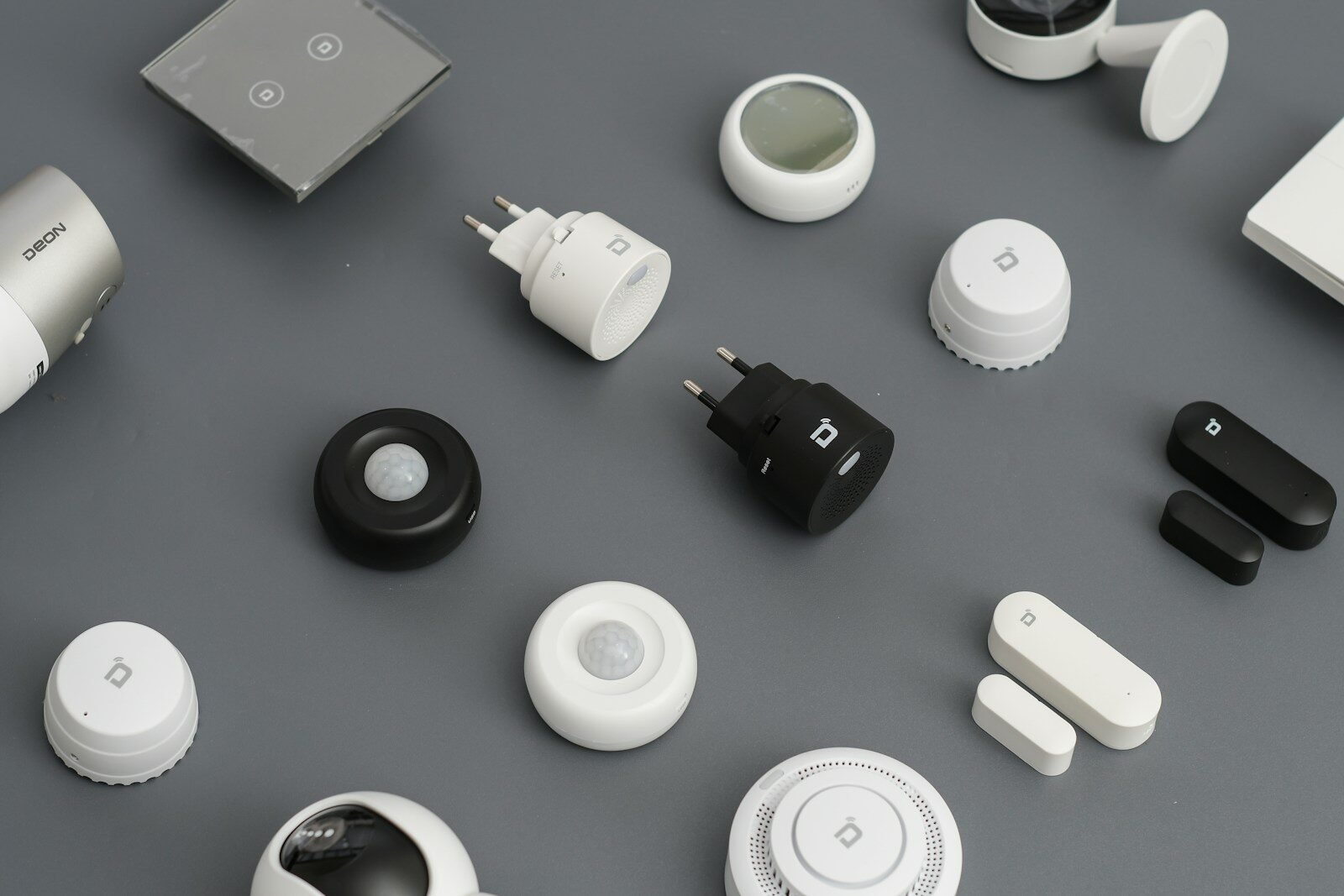
Smart gadgets have changed the way people interact with technology. In the past, electronic devices usually performed one specific task. Today, many products can connect to the internet, communicate with smartphones, respond to voice commands, collect information, and work together with other devices.
Smart gadgets are now found in homes, offices, vehicles, gyms, and even classrooms. Smartwatches can provide notifications and activity tracking, smart speakers can control compatible devices, smart cameras can provide remote monitoring, and smart appliances can automate household tasks.
With so many options available, consumers need to understand what smart gadgets offer and how to choose products that provide genuine value.
What Makes a Gadget Smart?
A smart gadget typically combines hardware with software and connectivity. Sensors allow the device to collect information, while software processes that information and provides useful functions.
Connectivity allows the gadget to communicate with other devices or online services. Depending on the product, it may use Wi-Fi, Bluetooth, mobile networks, or another wireless technology.
For example, a traditional light bulb can simply be switched on or off. A smart bulb may connect to an application and allow users to change brightness, create schedules, and control lighting remotely.
This combination of connectivity and automation is what makes smart gadgets different from traditional electronics.
Smartwatches for Everyday Convenience
Smartwatches have become one of the most popular wearable gadgets. They provide quick access to information without requiring users to take their phones out of their pockets.
Depending on the model, a smartwatch can display notifications, manage calls, control music, provide navigation, and track physical activities.
Many models also provide fitness-related features such as workout tracking, activity monitoring, and sleep-related information.
Smartwatches can be particularly useful for busy people who want quick access to important information throughout the day.
Wireless Earbuds and Headphones
Wireless audio products have become essential accessories for many smartphone users. Smart earbuds combine wireless connectivity with features such as touch controls, microphones, noise reduction, and voice functions.
Battery life is one of the most important factors when choosing wireless earbuds. Users should also consider sound quality, comfort, charging speed, microphone performance, and connection reliability.
For people who use earbuds during work, travel, exercise, or entertainment, comfort can be just as important as audio quality.
Smart Speakers and Voice Control
Smart speakers provide more than music playback. Depending on their software and compatible services, they can answer questions, set reminders, play audio, manage timers, and control connected home devices.
Voice commands can make everyday activities easier. Users can control compatible devices without manually opening an application.
However, privacy should be considered when using voice-enabled products. Consumers should understand how voice data is handled and review available privacy settings.
Smart Lighting Systems
Smart lighting is an easy way to introduce automation into a home.
Connected lights can be controlled through smartphone applications or compatible voice systems. Users may be able to adjust brightness, create schedules, and control lights remotely.
Smart lighting can also be used to create routines. For example, lights can automatically turn on at a certain time and switch off later.
These features can provide convenience and reduce the need for manual control.
Smart Security Devices
Security is another major area where smart gadgets can provide useful features.
Smart cameras, connected doorbells, sensors, and locks can allow users to monitor and manage parts of their property remotely.
Smart cameras may provide motion alerts, night vision, remote viewing, and two-way communication. Connected doorbells can notify users when someone approaches an entrance.
Because these devices can collect sensitive information, security should be a priority. Strong passwords, regular updates, and secure account settings can help protect connected devices.
Smart Home Appliances
Household appliances are increasingly becoming connected.
Smart appliances can provide remote controls, scheduling, notifications, and automation. A connected vacuum cleaner, for example, may be programmed to clean automatically. A smart washing machine may notify users when a cycle has finished.
These features can save time and make household routines easier.
However, buyers should consider whether the smart functionality provides enough practical value to justify the additional cost.
Smart Fitness Technology
Fitness trackers and smartwatches have made it easier for people to monitor their daily activity.
Depending on the device, users may be able to track steps, workouts, movement, sleep-related information, and other activity measurements.
These features can encourage people to stay active and set personal goals.
Consumers should remember that fitness trackers are designed primarily for general wellness and activity tracking. Their measurements should not automatically be considered professional or medical assessments.
Smart Entertainment
Smart technology has also transformed entertainment.
Smart TVs allow users to access streaming services, online videos, music, and applications directly through the television.
Wireless speakers and headphones provide convenient ways to enjoy music without traditional cables. Streaming devices can also add connected features to older televisions.
When choosing smart entertainment products, buyers should consider application support, display or sound quality, connectivity, ease of use, and software updates.
Smart Gadgets for Work
Smart gadgets can improve productivity when selected carefully.
Wireless keyboards and mice can create cleaner workspaces, while portable monitors can provide additional screen space. Noise-canceling headphones can help reduce distractions in busy environments.
Smart displays and connected office accessories can also make remote work more convenient.
The key is to choose technology that solves a specific problem. More gadgets do not automatically mean greater productivity.
Smart Gadgets for Travel
Travelers can benefit from small and portable smart devices.
Wireless earbuds can provide entertainment during flights and journeys. Tracking devices can help users locate bags and personal belongings. Portable charging accessories can keep smartphones and other gadgets powered.
When choosing travel gadgets, consumers should prioritize compact designs, durability, battery life, and easy connectivity.
A lightweight device that solves a real travel problem can be much more useful than a larger product with unnecessary features.
Compatibility Matters
Smart gadgets are most useful when they work well with other devices.
Before purchasing a product, users should check compatibility with their smartphones, computers, operating systems, wireless networks, and existing smart home products.
This is particularly important when building a connected home. Devices from different manufacturers may not always communicate equally well.
Choosing compatible products can reduce setup problems and create a smoother user experience.
Privacy and Security
Privacy is one of the biggest concerns surrounding smart technology.
Connected devices can collect information such as account details, activity data, location information, or recordings depending on their features.
Consumers should review privacy policies and settings before using a device. Strong passwords and additional account security features can provide extra protection.
Software updates are also important because manufacturers may release updates that address security vulnerabilities and improve device performance.
Battery and Charging
Portable smart gadgets depend on batteries, making battery performance an important buying factor.
Smartwatches, earbuds, fitness trackers, and other wireless products need regular charging. A short battery life can make an otherwise useful device frustrating to use.
Buyers should consider expected battery duration, charging speed, charging method, and how frequently they plan to use the product.
Fast charging can be especially useful for users who need their devices ready quickly.
How to Choose a Smart Gadget
The best way to choose a smart gadget is to start with your needs.
Ask yourself what problem you want the device to solve. If you want easier fitness tracking, a smartwatch may be useful. If you want home automation, smart lighting or connected plugs may be a better choice. If entertainment is your priority, wireless audio products or smart TVs may provide greater value.
Price should also be considered. A premium product is not necessarily the best choice if its additional features are unnecessary.
Reading reviews and comparing products can help buyers understand performance and long-term value.
The Future of Smart Gadgets
Smart technology is likely to become increasingly intelligent and connected.
Artificial intelligence may allow devices to understand user preferences more effectively. Better sensors could improve automation, while faster wireless networks could allow connected products to communicate more efficiently.
Homes may eventually operate as highly integrated ecosystems in which lighting, security, appliances, entertainment, and other devices work together with minimal manual control.
As this technology develops, privacy and security will remain important considerations.
Conclusion
Smart gadgets provide new ways to make everyday life more convenient, connected, and efficient. Smartwatches, earbuds, speakers, security cameras, lighting systems, fitness trackers, smart appliances, and entertainment devices all offer different benefits.
Before purchasing a smart gadget, consider its purpose, compatibility, battery life, security, privacy, durability, features, and price.
The best smart gadget is not simply the one with the longest feature list. It is the product that provides useful functions and fits naturally into your lifestyle. By researching carefully and choosing technology based on real needs, consumers can enjoy the benefits of smart gadgets while avoiding unnecessary purchases.
