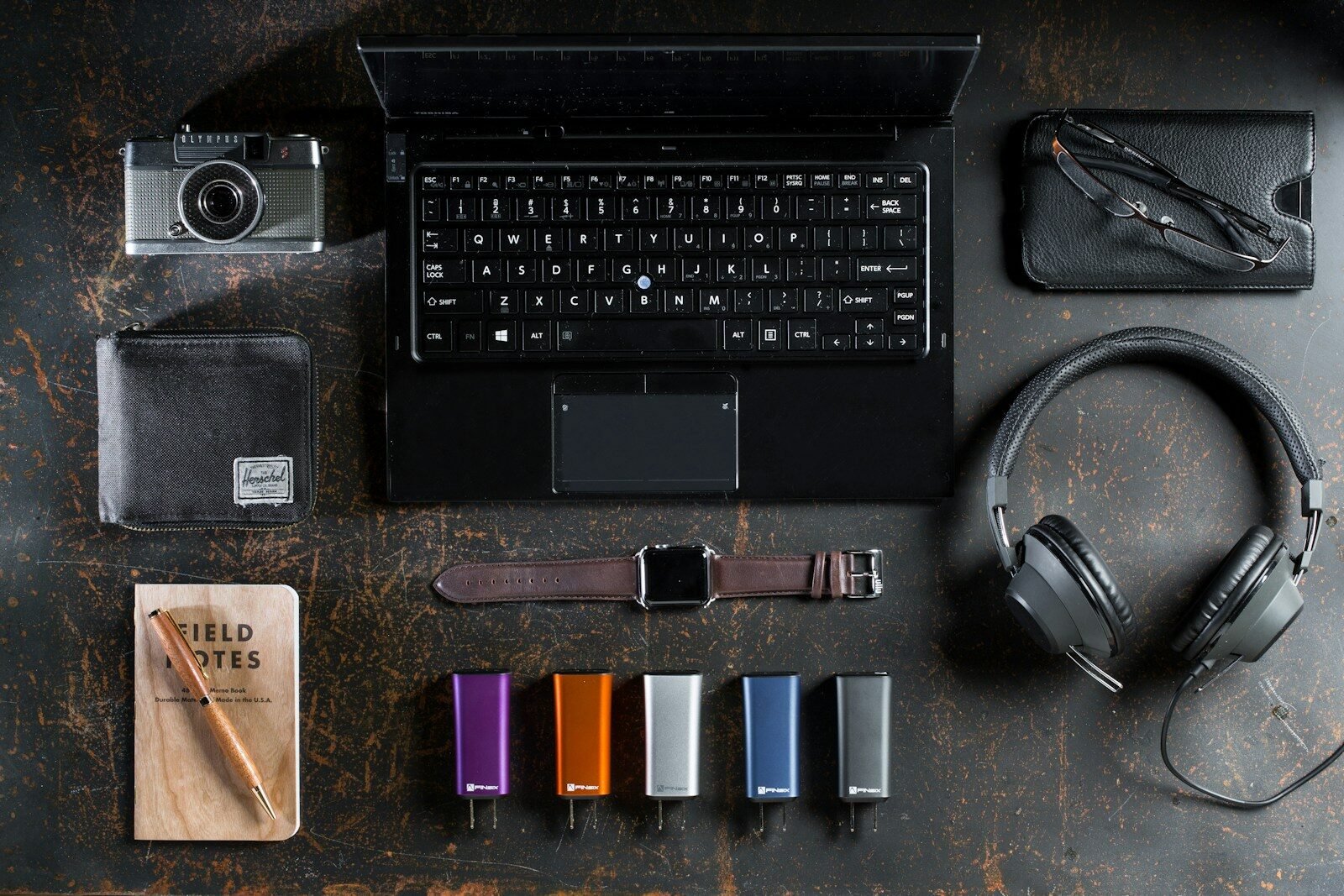
Technology is now a major part of everyday life. People depend on gadgets for communication, education, entertainment, business, travel, photography, and many other activities. New devices are released regularly, and manufacturers continue to introduce better processors, improved cameras, longer battery life, smarter software, and innovative features.
However, having more choices does not always make shopping easier. With hundreds of gadgets available in different price ranges, buyers can easily become confused. This is why Gadget Reviews are valuable. A detailed review helps consumers understand what a product can actually do and whether it is worth the investment.
A good gadget review should focus on real-world use rather than simply repeating the manufacturer’s specifications. It should explain the product’s strengths, weaknesses, performance, features, and overall value.
Why Read Gadget Reviews?
Many people make purchasing decisions after seeing an advertisement or hearing about a product from friends. While these sources can be helpful, they may not provide a complete picture.
Gadget reviews offer a more detailed evaluation. They can explain how a device performs after regular use, whether its features are useful, how comfortable it is, and whether there are any important limitations.
For example, a phone may have impressive specifications but poor software optimization. A laptop may be extremely powerful but have a short battery life. A pair of earbuds may offer excellent sound but feel uncomfortable after extended use.
Reviews can reveal these details before a buyer spends money.
Design and Build Quality
Design is an important part of the overall gadget experience. Consumers usually want products that look attractive and feel comfortable to use.
A review should discuss the materials, size, weight, shape, buttons, ports, and overall construction. Portability is especially important for laptops, tablets, cameras, and other devices that users carry regularly.
Build quality is also worth considering. A durable gadget may provide better value over several years because it can withstand everyday use more effectively.
Performance and Speed
Performance determines how well a gadget handles everyday tasks. A device should be responsive and capable of completing the tasks for which it was designed.
For smartphones, reviewers may test application loading, multitasking, browsing, gaming, photography, and video playback. Laptop reviews may examine productivity applications, creative software, programming, gaming, and other demanding workloads.
Technical specifications such as processor speed, RAM, storage, and graphics capabilities are useful, but real-world performance should receive equal attention.
Display Quality
The display is one of the most noticeable parts of many gadgets. A high-quality screen can improve everything from watching videos to reading documents.
Important display characteristics include resolution, brightness, contrast, color accuracy, refresh rate, and viewing angles.
Different users have different priorities. Gamers may prefer a high refresh rate, while designers and photographers may care more about accurate colors. People who use their devices outdoors may prioritize high brightness.
Battery Performance
Battery life can determine how convenient a portable gadget is. Users want their smartphones, laptops, tablets, and smartwatches to last throughout the day.
A good review should discuss battery performance during realistic usage. Light activities such as reading or messaging generally consume less power than gaming, video recording, navigation, or streaming.
Charging speed is another important consideration. Fast charging can be especially useful for people who frequently need to recharge their devices during busy days.
Camera Quality
Modern smartphones often compete heavily on camera performance. However, camera quality is about more than the number of megapixels.
A detailed review should evaluate image quality in daylight and low-light environments. It can also examine autofocus, stabilization, portrait photography, zoom, video recording, and image processing.
The camera software and sensor quality can significantly affect results, so consumers should look beyond simple specifications.
Audio Experience
Sound quality is important for entertainment, communication, and work. Wireless earbuds, headphones, smartphones, laptops, and speakers all require good audio performance.
Reviews can examine sound clarity, bass, vocals, maximum volume, microphone quality, and noise cancellation.
For people who frequently participate in online meetings, microphone performance can be especially important because clear communication is essential.
Software and User Interface
A gadget can have excellent hardware but still provide a disappointing experience if its software is poorly designed.
Reviews should discuss the operating system, user interface, applications, customization options, and ease of navigation. A simple and responsive interface can make a device much easier to use.
Software updates should also be considered. Regular updates can improve security, fix bugs, and introduce new capabilities.
Storage and Memory
Storage and memory are important for long-term use. People who download large applications, games, photographs, videos, and documents may require more storage.
Memory, commonly referred to as RAM, affects how efficiently a device can handle multiple tasks. A gadget with sufficient memory can generally provide a smoother multitasking experience.
Buyers should think about their future needs rather than only their current requirements.
Connectivity
Modern technology depends heavily on connectivity. Devices may connect through Wi-Fi, Bluetooth, USB, mobile networks, and other wireless technologies.
A gadget review should explain the available connectivity options and whether they work reliably.
Compatibility also matters. Before purchasing a gadget, consumers should make sure it works with their existing smartphones, computers, accessories, applications, and other devices.
Security and Privacy
Security should never be ignored when buying modern technology. Gadgets can contain personal photographs, messages, documents, passwords, and other sensitive information.
Useful security features may include fingerprint recognition, facial recognition, secure passwords, encryption, and regular security updates.
Privacy controls are also important. Users should understand what information applications collect and what options are available for controlling data access.
Price and Value for Money
Price is often one of the first things buyers consider, but it should not be the only factor.
A cheaper gadget may save money initially but could provide weaker performance or shorter software support. A more expensive product may offer better hardware and durability, but its additional features may not be necessary for everyone.
The best value comes from finding a product that offers the right features and performance for the user’s specific needs.
Comparing Different Gadgets
Comparing products is one of the best ways to make a smart purchasing decision. Consumers should compare devices based on their priorities rather than focusing on a single specification.
Important comparison factors can include:
- Price
- Performance
- Battery life
- Display quality
- Camera performance
- Storage
- Software
- Build quality
- Connectivity
- Warranty and support
A comparison can reveal which product provides the best balance for a particular user.
Who Should Buy the Gadget?
A useful review should identify the type of person who would benefit from a product.
A basic smartphone may be perfect for someone who mainly uses calls, messaging, and social media. A high-performance smartphone may be better for gamers, photographers, and professionals.
Likewise, an expensive laptop may be unnecessary for someone who only browses the internet and writes documents. A powerful machine can make more sense for video editors, developers, designers, and gamers.
The best gadget is the one that matches the user’s actual requirements.
Final Buying Advice
Before purchasing a gadget, consumers should determine their budget and list the features they really need. They should read several reviews, compare competing products, and consider long-term use.
It is also important to avoid buying a product simply because it is new or popular. Technology changes quickly, and an older model may sometimes provide excellent value at a lower price.
Think about how the gadget will be used every day. Consider performance, durability, software support, battery life, and overall cost before making a final decision.
Conclusion
Gadget Reviews help consumers make better technology decisions in a rapidly changing market. A reliable review goes beyond specifications and advertisements to explain how a product performs in real-world situations.
When evaluating a gadget, consider its design, performance, display, battery, camera, audio, software, storage, connectivity, security, and price. Most importantly, choose a product based on your own needs rather than simply following trends.
At Gadget, our aim is to make modern technology easier to understand. Through informative gadget reviews and practical buying guidance, readers can discover useful products and make confident decisions before investing in new technology.
